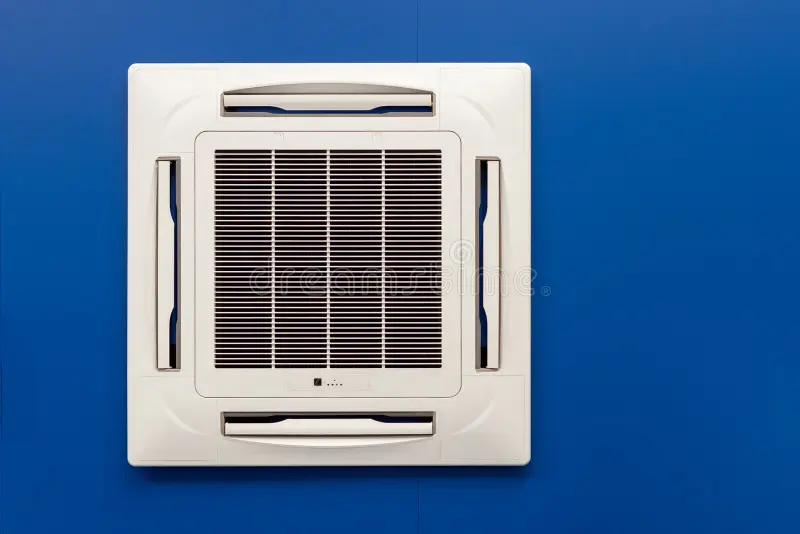
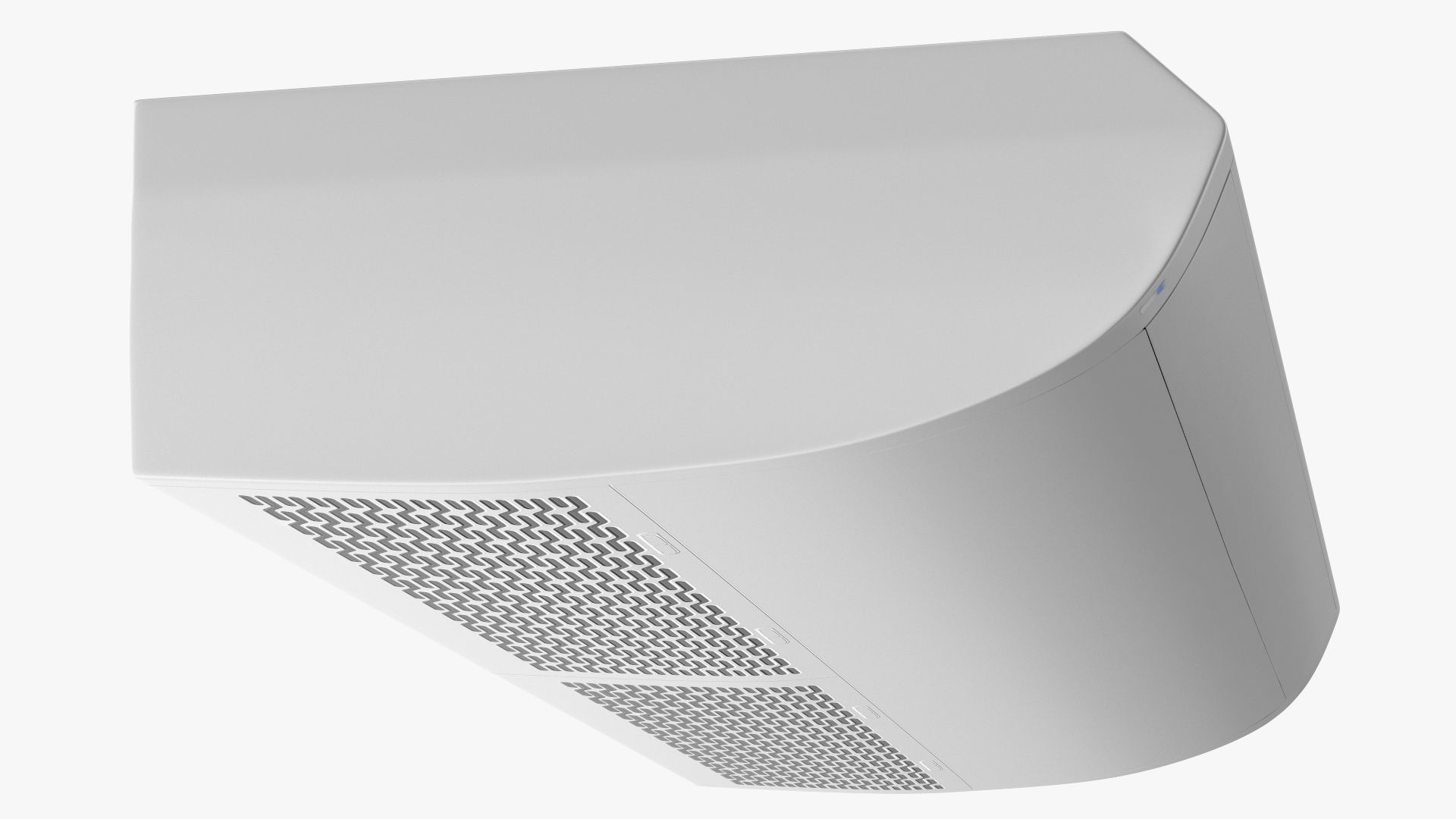
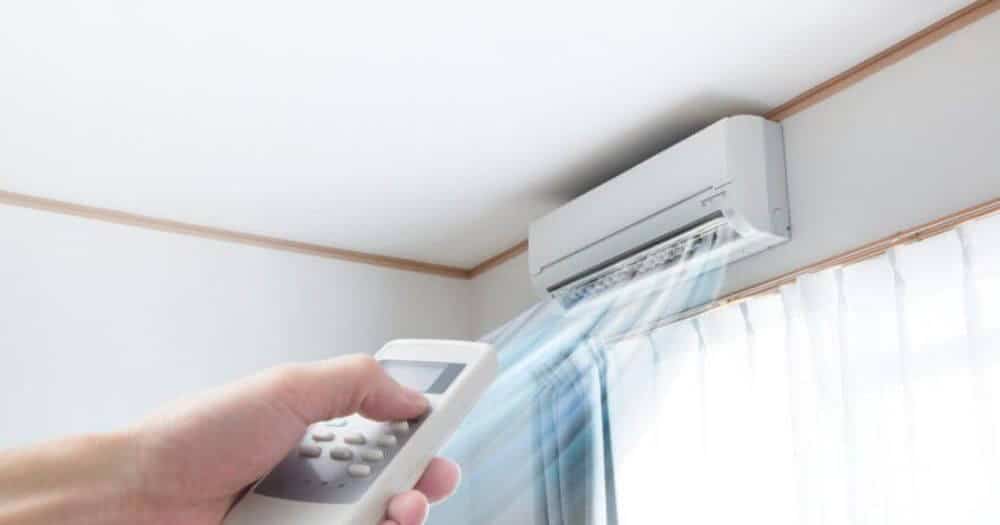
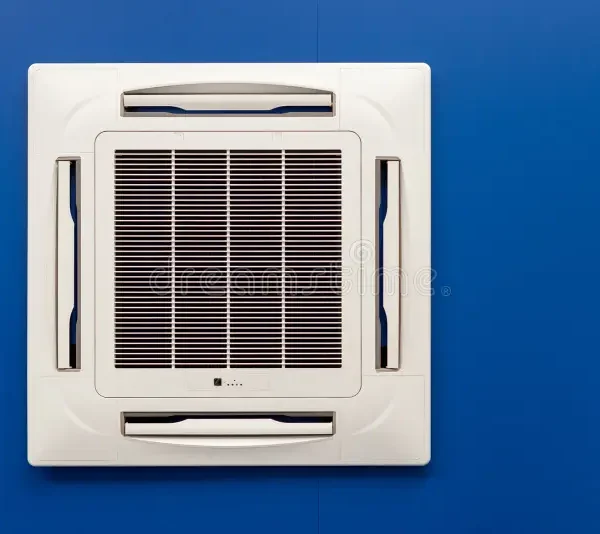
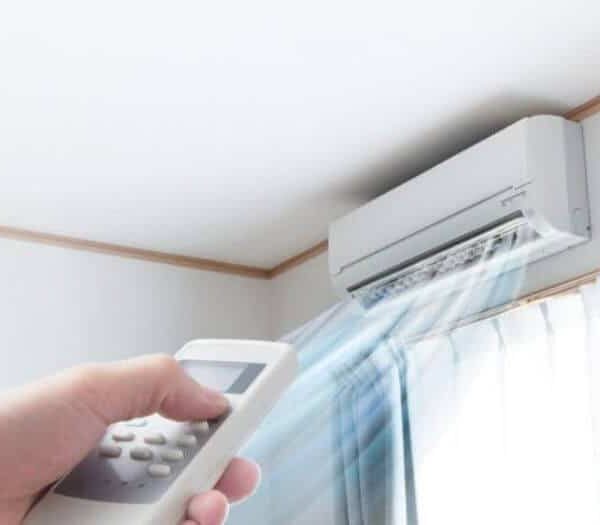
An air conditioner is a machine that cools and dehumidifies indoor air to make rooms more comfortable in hot or humid weather. Modern AC systems can also filter air, control humidity, and in some cases provide heating.
How an air conditioner works
An AC works by moving heat from inside a room to the outside using a refrigerant cycle:
Warm indoor air passes over cold evaporator coils.
The refrigerant absorbs heat from the air.
A compressor pumps the heated refrigerant outside.
Outdoor condenser coils release the heat.
Cool air is blown back into the room.
Air conditioners also remove moisture from the air, which helps reduce humidity and improves comfort.
Main types of air conditioners
Window AC
A single compact unit installed in a window. Best for one room and lower budgets.
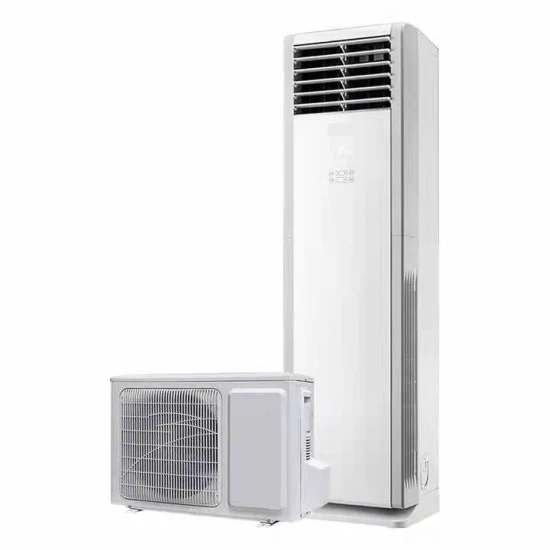
Split AC
Has an indoor unit and an outdoor compressor unit. Quieter and more energy efficient than window ACs.
Portable AC
Movable unit with an exhaust hose. Useful for temporary cooling or rental spaces.
Central AC
Cools an entire building through ducts. Common in large homes and offices.
Ductless Mini-Split
Efficient system without ductwork, often used for individual rooms or apartments.
Important AC terms
BTU (British Thermal Unit): Measures cooling capacity.
Ton: Another cooling capacity unit (1 ton ≈ 12,000 BTU).
EER / SEER: Energy-efficiency ratings; higher numbers mean lower electricity use.
Inverter vs non-inverter AC
Inverter AC
Adjusts compressor speed automatically
Uses less electricity
Quieter operation
Better temperature stability
Non-inverter AC
Compressor repeatedly turns on/off
Lower purchase cost
Usually higher electricity consumption
Many modern buyers prefer inverter ACs because of energy savings over time.
Benefits of air conditioners
Keeps indoor spaces cool
Reduces humidity
Improves sleep comfort
Filters dust and pollutants
Protects electronics from overheating
Improves workplace productivity in hot climates
Drawbacks
Can increase electricity bills
Requires regular maintenance
Some systems are expensive to install
Older refrigerants may harm the environment
Overuse may dry indoor air
Energy-saving tips
Choose the correct AC size for the room
Use inverter or high-efficiency models
Clean filters regularly
Keep doors/windows closed while cooling
Use “energy saver” or sleep mode
Set temperature around 24–26°C for efficiency
Choosing the right AC
Common room-size guidelines:
Small room: 1 ton (max 120sft)
Medium room: 1.5 ton (max 180sft)
Large room: 2 ton (max 240sft)
More large room: 2.5 ton (max 300sft)
Medium hall room: 3 ton (max 360sft)
Large hall room: 4 ton (max 480sft)
More large hall room: 5 ton (max 600sft)
Factors to consider:
Room size
Climate
Noise level
Electricity usage
Installation space
Budget